
From Complex Medicine to Legal Clarity
At heart, I’m a storyteller. Malpractice cases are, in essence, complex stories that need to be broken down and re-assembled into an easily digestible narrative that any lay-person can understand. I have 25 years of experience as a board certified physician, including 15 years as a hospital-based/ICU hospitalist, nursing home care, and 6 years of ongoing active telemedicine experience. This, complimented by my experience as a writer, author, and teacher, enables me to succinctly express complex concepts in a manner that naturally supersedes that of other non-physician professionals.

More expertise. Greater efficiency. Lower litigation risk.
Malpractice and personal injury claims are extremely difficult and complex. They are also very expensive. In addition, the next decade of plaintiff side malpractice litigation will be driven by the rapid adoption of telemedicine and AI-assisted diagnostics (300 million telehealth visits in 2024 alone), making cases even more expensive and complex. The use of AI in healthcare also raises the very real possibility of AI-algorithmic errors being litigated as a product liability in addition to malpractice. This will reshape litigation strategies and increase the financial risk to attorneys, making pre-litigation case screening and case selection the most critical step in successful malpractice claims.
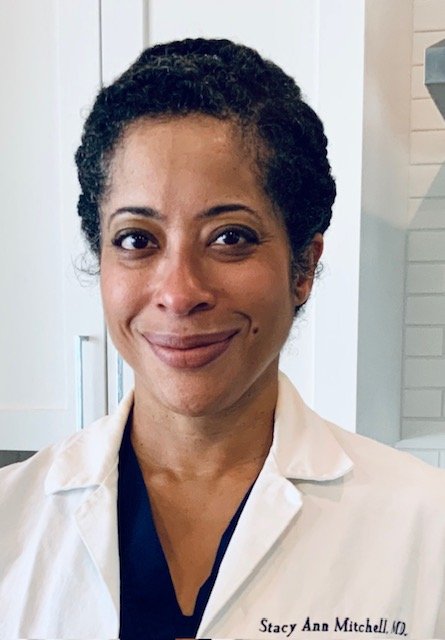
In addition to initial case review for merit/negligence, my contributions to your practice include:
• Identifying clearly, in lay terms, where departure from the standard of care occurred;
• Assisting in deposition preparation;
• Simplifying the facts of the case as it evolves, to lay people throughout the process;
• Client interviews;
• Preparing chronologies of medical events and organizing medical records;
• Coordinating/researching physicians and IT/data specialists for expert testimony;
• Quickly spotting technical and workflow anomalies that only a trained, experienced physician could recognize, such as unusual entry patterns and inconsistencies in medical charting. These inconsistencies often point to tampering, which is vital to identify early in the case review process;
• Assisting your practice in leading the vanguard of telemedicine/AI malpractice litigation and helping to define negligence in physician oversight of AI-driven medical care.
“Making cases as cost-effective as possible is paramount for all involved. That means reducing redundancy and overreliance on numerous hourly medical reviewers. I have been demystifying complex medical information for decades and look forward to providing that value to your firm.”